
floor length mirror with lights
Replacing the Outside Water Valve A Step-by-Step Guide The outside water valve is an essential component of your home’s plumbing system, controlling the water flow to your outdoor spigots and irrigation systems. Over time, valves can corrode or develop leaks, leading to water waste and potential damage to your property. Replacing a faulty outside water valve may seem daunting, but with the right tools and a bit of know-how, this task can be accomplished efficiently. This article will guide you through the process of replacing your outside water valve, ensuring you can maintain a functional and leak-free plumbing system. Tools and Materials Needed Before you start, gather the necessary tools and materials. You will need - A new outside water valve (make sure to choose the appropriate size) - A pipe wrench or adjustable wrench - A screwdriver - Teflon tape - Plumber's grease - A bucket or towel for any residual water - Safety goggles - A utility knife (if needed) Step 1 Turn Off the Water Supply The first and most crucial step is to turn off the main water supply to your house. This will prevent any unwanted flooding while you work. Locate the main shut-off valve, typically found in the basement or near the water meter, and turn it clockwise until it is fully closed. Once the water supply is off, open any outdoor spigots to relieve pressure and drain any remaining water from the pipes. Step 2 Remove the Old Valve After ensuring that the water supply is off and the pipes are drained, locate the old valve. Depending on its installation, it may be secured with screws or tightly threaded onto the pipes. Use your pipe wrench to loosen the fittings. If the valve is attached to copper pipes, you may need to cut the old valve out with a utility knife or pipe cutter; be cautious to avoid damaging the surrounding pipes. Be sure to have a bucket or towel on hand to catch any residual water that might still be in the pipes . Once the valve is removed, inspect the surrounding area for any signs of corrosion or damage that might need addressing before installing the new valve. outside water valve replacement Step 3 Install the New Valve With the old valve removed, it’s time to install the new one. Begin by applying Teflon tape to the threads of the new valve to ensure a watertight seal. Then, position the valve onto the pipes and secure it tightly using your wrench. Avoid overtightening, which can damage the threads or crack the valve. Once the new valve is in place, check to make sure it is correctly oriented, allowing you to turn it easily into the open and closed positions. Step 4 Turn the Water Supply Back On With the new valve installed, it’s time to turn the water supply back on. Go back to the main shut-off valve and turn it counterclockwise. As the water flows back into the system, check for any leaks around the new valve. If you notice any drips, tighten the fittings slightly until the leaks stop. Step 5 Test the New Valve Finally, you’ll want to test your new valve. Open the outdoor spigot gradually and observe for any leaks or abnormalities. Ensure that the water flows smoothly and that you can easily turn the valve on and off. Conclusion Replacing an outside water valve is a manageable DIY project that can save you money and prevent future plumbing headaches. By following these steps, you can ensure a proper installation and maintain the integrity of your home’s plumbing system. Remember to prioritize safety and, if you feel uncertain at any point, consulting a professional is always a wise choice. Happy plumbing!
about
floor length mirror with lights
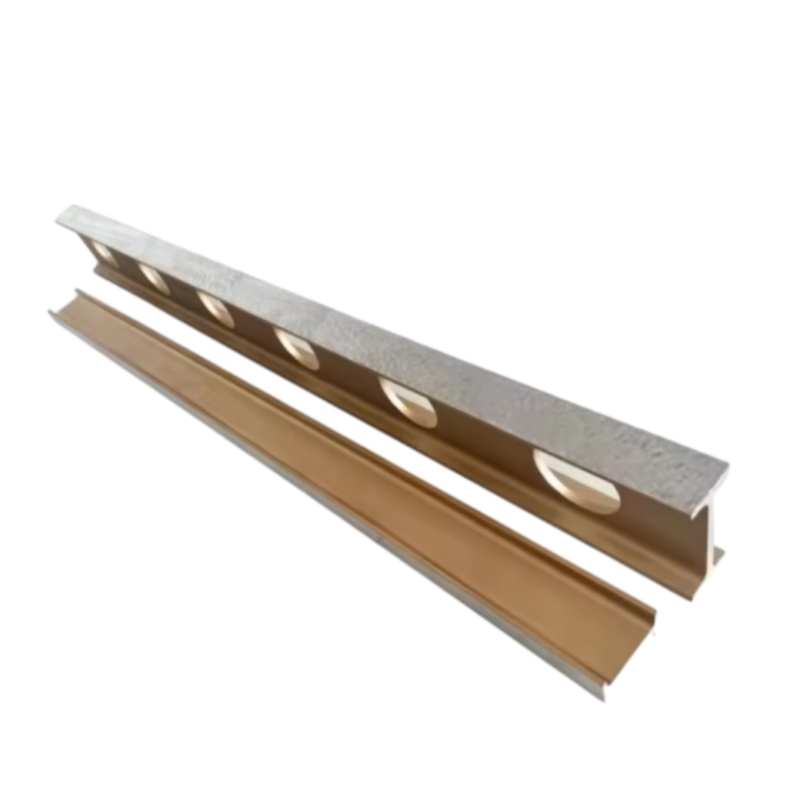
The Magnificence of Large Granite Blocks Nature's Incredible Creation Granite, an igneous rock formed from cooled volcanic magma, has captivated humans for centuries with its durability and aesthetic appeal. Among its various forms, large granite blocks stand as monumental testaments to both nature's power and human ingenuity. These remarkable stones, carved by countless years of geological processes, not only serve functional purposes but also embody a rich historical and cultural significance. The formation of granite begins deep within the Earth's crust. Over millions of years, magma cools slowly, crystallizing into a dense, coarse-grained rock rich in quartz, feldspar, and mica. This natural process creates stones of impressive size and strength, often measuring several feet in height and width. Large granite blocks are not just geological curiosities; they have been essential to various civilizations throughout history, serving as building materials for temples, monuments, and even entire cities. One of the most striking features of granite is its extraordinary durability. These granite blocks are resistant to weathering and erosion, making them ideal for structures intended to withstand the test of time. Historical sites, such as the pyramids of Egypt and ancient temples, often utilized large granite blocks to create enduring legacies. The Great Pyramid of Giza, constructed over 4,500 years ago, features granite blocks weighing several tons each, showcasing the ancient Egyptians’ advanced engineering skills. Moreover, large granite blocks have become iconic in modern architecture and art. Architects and builders continue to turn to granite for its strength and beauty . The United States Capitol Building and the Lincoln Memorial, both constructed using granite, demonstrate how these blocks can create striking visual impacts. The intricate craftsmanship involved in shaping and polishing granite leads to stunning surfaces that can elevate ordinary spaces into extraordinary places. large granite blocks In addition to their structural applications, large granite blocks have played a significant role in public art and monuments. Artists have utilized granite for sculptures that reflect cultural values and historical moments. The serene faces carved into granite at Mount Rushmore honor significant figures in American history, reminding visitors of the values they represented. These grand artworks transcend simple beauty; they provoke thought and discussion, making granite a canvas for storytelling. Beyond their cultural and architectural significance, large granite blocks also hold ecological and geological importance. They provide habitats for various organisms and play a crucial role in the rock cycle, contributing to soil formation and influencing ecosystems. Their presence in landscapes, from rugged mountains to serene lakeshores, adds to the natural beauty of our environment. As we learn more about sustainable practices, the extraction and utilization of granite must also adapt. Quarrying large granite blocks requires careful management to minimize environmental impact. Sustainable practices ensure that we preserve these natural resources for future generations while benefiting from their unique properties. In conclusion, large granite blocks are more than just geological formations; they are historical giants that symbolize the interplay between nature and civilization. Their durability, beauty, and versatility make them indispensable in both cultural heritage and modern design. As we appreciate these magnificent stones, we are reminded of the stories they hold and the beauty they add to our world. Whether in ancient temples or contemporary architecture, large granite blocks continue to inspire awe and admiration, standing as enduring monuments to the creative spirit of humanity.
-

High quality industrial productsagement

High quality industrial products
View Details -

Meet the diverse needs of customers

Meet the diverse needs of customers
View Details -

Strict quality control

Strict quality control
View Details -

Top raw materials

Top raw materials
View Details -

Trusted supplier

Trusted supplier
View Details
Our application


news and information
What Is the Difference Between Y Type Strainer and Basket Type Strainer_
In fluid systems, strainers play a crucial role in ensuring the cleanliness and efficiency of the pr

Ventil s klapkou 50 mm pro optimální regulaci průtoku vody
Klapka s průměrem 50 mm Klíčový prvek v regulaci toku Klapky jsou nezbytnou součástí mnoha průmyslov
Válvula de retenção SS
Válvula de Retenção SS Importância e Aplicações No mundo da engenharia e da mecânica, o uso de válvu
 English